
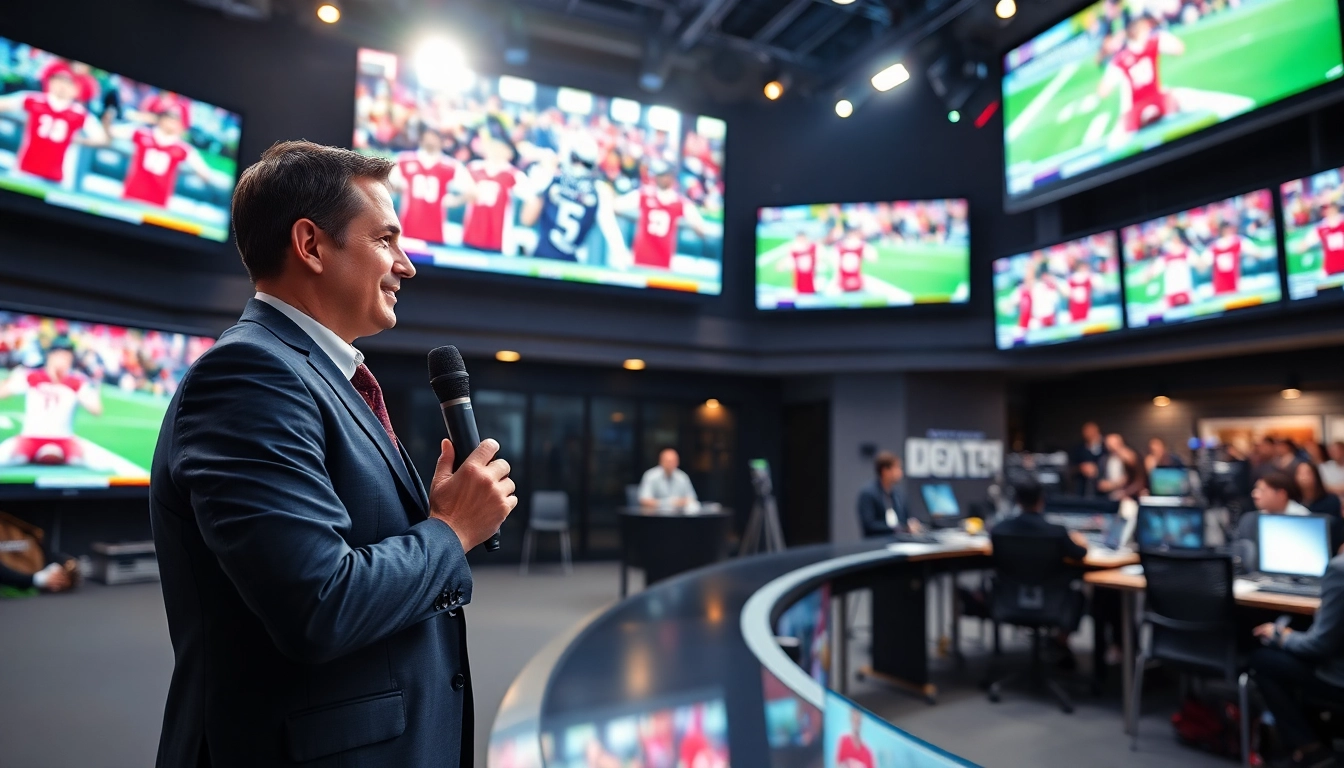
Understanding Sports Broadcasting Basics
What is Sports Broadcasting?
Sports broadcasting refers to the dissemination of sports events and related content through various media, including television, radio, and online platforms. It plays a crucial role in delivering live sports events to audiences worldwide and often incorporates a range of supplementary elements such as commentary, statistics, and analysis. With the advent of new technologies, Sports Broadcasting has evolved to cater to diverse viewer preferences, ensuring that sports fans are well-informed and engaged.
The Evolution of Sports Broadcasting
From its nascent stages in the early 20th century, where radio broadcasts were a novel approach to engaging audiences, sports broadcasting has transformed dramatically. The transition to television in the 1950s revolutionized the industry, bringing events into homes globally and making sports a cornerstone of entertainment. The introduction of color television further enhanced viewer experience, while the internet boom in the 1990s brought streaming platforms that allowed fans to watch events on demand. Today, sports broadcasting continues to evolve with mobile applications and interactive viewing experiences.
Types of Sports Broadcasting Platforms
Sports broadcasting is delivered through various platforms which can be categorized as follows:
- Television: Traditional broadcasting remains popular, with major networks airing live events, analysis programs, and sports news.
- Radio: Provides commentary and live updates, particularly valuable during outdoor events where visuals may not be accessible.
- Online Streaming Services: Platforms like ESPN+, DAZN, and others offer subscription-based services for live broadcasts, catering to the on-demand generation.
- Social Media: Increasingly, short clips, updates, and live interactions are part of the sports broadcasting strategy, connecting directly with fans.
Key Components of Effective Sports Broadcasting
Production and Technical Aspects
High-quality sports broadcasting requires sophisticated production capabilities and technical expertise. This includes multi-camera setups for different angles, high-definition broadcasting, and behind-the-scenes production teams managing live feeds. Graphics and sound design must enhance the viewing experience, providing informative data without overwhelming the audience. Quality production can make a significant impact on how events are perceived, drawing in larger audiences.
Audience Engagement Techniques
Engaging the audience is pivotal in sports broadcasting. Techniques include live polls, interactive applications, and opportunities for viewer participation through social media. Engaging the audience directly fosters a sense of community and loyalty, encouraging viewers to share their experiences and opinions, contributing to a more vibrant broadcasting experience.
Importance of Analytics in Sports Broadcasting
Analytics has become a cornerstone of sports broadcasting, providing insights into viewer preferences and behaviors. By analyzing viewer ratings, engagement levels, and social media interactions, broadcasters can adapt their programming and content delivery, ensuring they meet the audience’s evolving needs. This data-driven approach enhances not only the viewing experience but also streamlines advertising strategies, maximizing return on investment.
Challenges in the Sports Broadcasting Industry
Compliance and Regulatory Issues
Sports broadcasters face stringent regulations and compliance challenges, including licensing requirements and content rights management. Navigating these legal parameters is crucial for maintaining relationships with leagues and teams while avoiding costly litigation. Staying informed about changes in broadcasting policies and adapting strategies accordingly is imperative for long-term success.
Managing Broadcast Rights and Contracts
The management of broadcast rights is a significant challenge in the sports broadcasting landscape. Broadcast contracts can be complex and expensive, involving negotiations that determine who gets to air specific events. These rights often fluctuate and are impacted by competitive bidding, requiring broadcasters to invest strategically in contracts that align with their audience’s interests.
Adapting to Technological Advances
The rapid pace of technological advancements poses both challenges and opportunities for sports broadcasting. Integrating new technologies such as augmented reality (AR), virtual reality (VR), and interactive features in broadcasts can greatly enhance viewer engagement but require substantial investment and expertise. Staying updated and adapting to these technologies is essential for broadcasters to remain competitive.
Best Practices for Sports Broadcasting
Creating High-Quality Content
To stand out in the competitive sports broadcasting arena, creating high-quality and compelling content is essential. This includes not only live event coverage but also pre-game and post-game analyses, interviews, and behind-the-scenes footage. Emphasizing storytelling can attract and retain viewers, making them feel connected to the teams and players, which fosters loyalty and engagement.
Leveraging Social Media for Broadcasts
Social media platforms have transformed how sports content reaches audiences. Effective sports broadcasting now includes strategies to promote events and engage viewers across platforms like Twitter, Instagram, and Facebook. Using these channels for real-time updates, highlights, and fan interactions can significantly boost visibility and engagement.
Building a Strong Brand Identity
A strong brand identity is vital for any sports broadcaster. This identity should communicate reliability, professionalism, and a passion for sports. Cohesive branding across platforms, from logo design to the tone of communication, helps establish trust and attract a loyal audience. Engaging with viewers on multiple levels can enhance brand perception and encourage long-term viewer relationships.
The Future of Sports Broadcasting
Emerging Trends in Sports Broadcasting
As sports broadcasting continues to evolve, several trends are emerging. The integration of artificial intelligence for personalized content delivery, enhanced viewer interactivity, and decentralized broadcasting through blockchain technology are paving the way for the future. Broadcasters need to remain agile and open to new ideas to stay ahead of the curve and meet changing audience demands.
The Role of Interactive Technologies
Interactive technologies are reshaping sports broadcasting, moving it toward a more engaging and immersive experience. Features such as live statistics, augmented reality overlays, and allowing viewers to select camera angles can provide deeper involvement. This shift towards interactive broadcasting aligns with modern viewer preferences for customization and involvement in the viewing experience.
Forecasting Changes in Audience Demographics
Understanding audience demographics is critical for broadcasters to tailor content effectively. Younger audiences often seek digital-first, on-demand content, while traditional audiences may prefer live broadcasts. By analyzing demographic data and watching trends, broadcasters can adapt their strategies to cater to shifting audience preferences, thereby ensuring wider reach and greater engagement.
Frequently Asked Questions
What is the primary role of sports broadcasting?
The primary role of sports broadcasting is to deliver live sports events and related content to audiences across various platforms, ensuring engagement and information dissemination.
How has technology impacted sports broadcasting?
Technology has significantly enhanced viewer experiences through high-definition broadcasts, online streaming, interactivity, and personalized content delivery, revolutionizing how fans engage with sports.
What are the biggest challenges in sports broadcasting?
Challenges include navigating compliance and regulatory issues, managing broadcast rights, and adapting to rapid technological advancements which require constant innovation and investment.
How can social media be utilized in sports broadcasting?
Social media can promote events, engage fans with real-time updates, and provide highlights, creating a platform for interaction and enhancing overall viewer experience.
What are the emerging trends in sports broadcasting?
Emerging trends include the integration of AI, increased interactivity through technologies like AR and VR, and a focus on personalized content tailored to diverse audience preferences.