
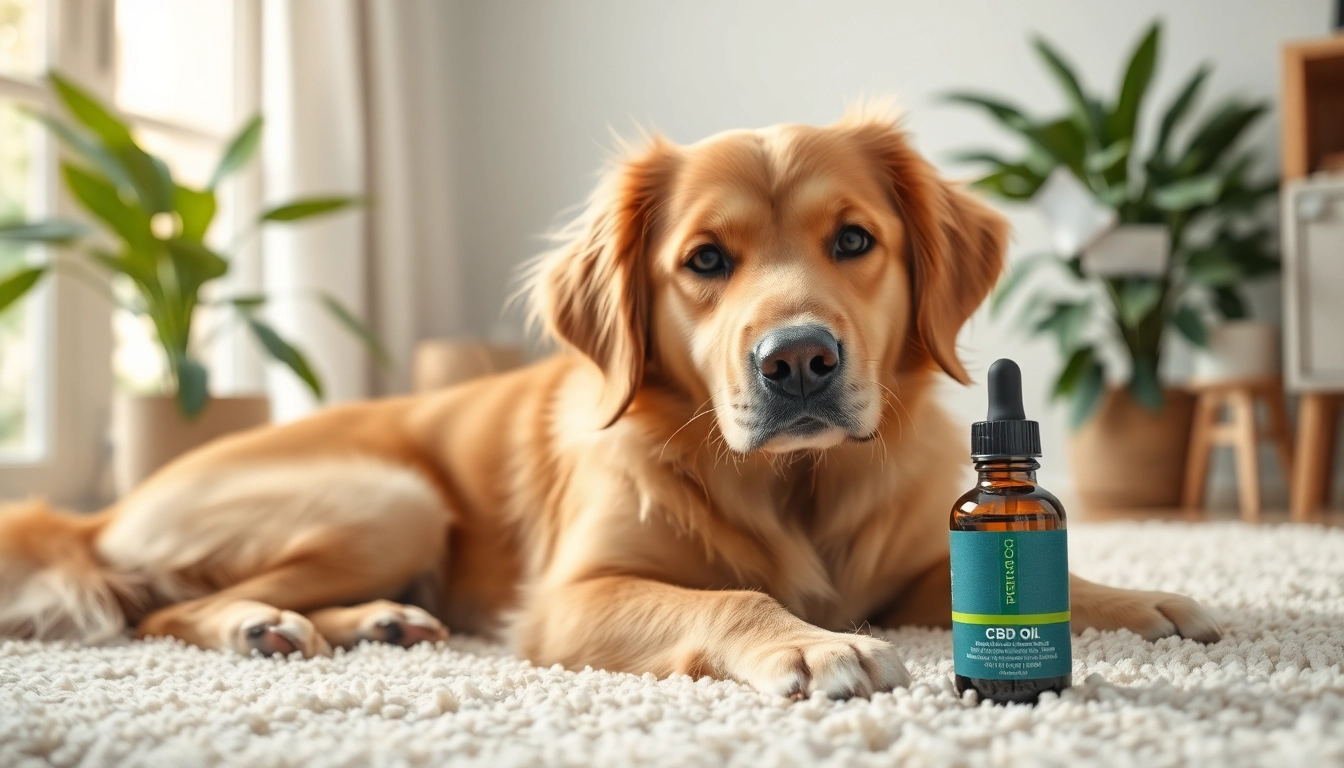
Understanding CBD Oil For Dog: Basics and Benefits
In recent years, the use of CBD Oil For Dog has gained significant attention among pet owners looking for natural ways to support their furry friends’ health. Despite its growing popularity, many people still have questions about what CBD oil is, how it can benefit dogs, and whether it's safe for them. This article aims to provide a comprehensive overview of CBD oil for dogs, including potential benefits, misconceptions, and guidance on selecting the right product for your pet.
What is CBD Oil For Dog?
CBD, or cannabidiol, is a compound derived from the hemp plant. Unlike THC, the psychoactive component of cannabis, CBD is non-intoxicating and has gained attention for its potential therapeutic benefits. CBD oil for dogs is specifically formulated for pets, typically with lower concentrations of CBD than that intended for human consumption. This oil is extracted from hemp plants that are low in THC, making it safe for dogs to consume. The oil is administered for various reasons, ranging from anxiety relief to pain management.
Possible Health Benefits of CBD Oil For Dog
Pet owners have reported a variety of positive outcomes when using CBD oil for their dogs. Some of the most commonly cited benefits include:
- Anxiety Relief: Many dogs experience anxiety due to various factors such as thunderstorms, loud noises, or separation from their owners. CBD oil may promote a calming effect, helping to reduce anxiety levels.
- Pain Management: CBD has anti-inflammatory properties that can assist in alleviating pain associated with conditions like arthritis or other chronic pain issues.
- Improved Digestion: CBD may help regulate gastrointestinal issues, promoting overall digestive health in dogs.
- Seizure Control: Some studies suggest that CBD can help reduce the frequency and severity of seizures in dogs with epilepsy.
- Joint Support: Older dogs or those with mobility issues may benefit from CBD oil’s properties that promote joint health and flexibility.
Common Misconceptions About CBD Oil For Dog
Despite the potential benefits of CBD oil for dogs, several misconceptions persist. Understanding these can help pet owners make informed decisions about their use:
- Caution Against Psychoactivity: A common misunderstanding is that CBD oil will get your dog high. This is not the case, as CBD is non-intoxicating and does not produce psychoactive effects.
- All Hemp Oils are the Same: Not all hemp oils are created equal. Some products contain little to no CBD and may not provide the desired benefits. It’s essential to choose a reputable CBD oil that specifies its CBD content.
- CBD is a Quick Fix: While many dogs may experience improvements quickly, CBD oil may take time to show effects. It's not a substitute for proper veterinary care but rather a complementary approach.
Choosing the Right CBD Oil For Dog: Key Factors
Selecting the right CBD oil for your dog can be overwhelming given the variety of options available. Here are key factors to consider when making your choice:
Ingredients to Look For In CBD Oil For Dog
When evaluating CBD oil products, pet owners should look for high-quality ingredients. It's advisable to opt for organic, non-GMO hemp sources that are free from pesticides and harmful chemicals. Additionally, look for the following:
- Full-Spectrum vs. Isolate: Full-spectrum CBD products contain a range of cannabinoids and terpenes, potentially enhancing the benefits of CBD through the "entourage effect." In contrast, isolates only include CBD.
- Third-party Testing: Ensure the product has been tested by an independent laboratory for potency and purity. This provides transparency and assures the absence of harmful substances.
- Carrier Oil: CBD is often diluted in a carrier oil for easier absorption. Common carriers include MCT oil or hemp seed oil, both of which have their own health benefits.
Types of CBD Oil For Dog: Full Spectrum vs. Broad Spectrum
When choosing CBD oil for dogs, understanding the difference between full-spectrum and broad-spectrum options is important:
- Full Spectrum: Contains all cannabinoids found in the cannabis plant, including a small amount of THC (below 0.3%). This may enhance the medicinal benefits through synergistic effects.
- Broad Spectrum: Similar to full-spectrum but without THC. This version may be preferable for pet owners who wish to avoid any trace of THC while still benefiting from other cannabinoids.
How to Determine Dosage of CBD Oil For Dog
Finding the right dosage of CBD oil for your dog requires careful consideration and often experimentation. Here are some guidelines:
- Weight of Your Dog: A common rule of thumb is to start with 1-2 mg of CBD for every 10 pounds of your dog’s weight.
- Condition Being Treated: The more severe the condition, the higher the dosage may need to be. Consult with your veterinarian for personalized dosage advice based on your dog's specific needs.
- Monitor Reactions: Start with a lower dose and gradually increase until you see the desired effects, keeping a close eye on your dog's response.
Integrating CBD Oil For Dog Into Your Pet’s Routine
Once you’ve selected the appropriate CBD oil and dosage for your dog, integrating it into their routine can be straightforward. Here are some practical steps:
Ways to Administer CBD Oil For Dog
There are various ways to give CBD oil to your dog, and the best method depends on your pet's preferences. Some common methods include:
- Direct Oral Administration: Place the appropriate dosage directly into your dog’s mouth. This method is typically the quickest for absorption.
- Mixing with Food: If your dog is reluctant to take oil directly, mix it into their food or treats to mask the taste.
- Use of CBD-infused Treats: Pre-made CBD dog treats are available and can simplify the administration process.
Tracking Your Dog’s Response to CBD Oil For Dog
Monitoring your dog’s behavior and health after administering CBD oil is crucial to determining its effectiveness. Keep a journal noting the following:
- Changes in anxiety levels during stress-inducing situations.
- Noticeable reductions in pain or discomfort.
- Overall temperament and energy levels.
By tracking these responses, you can adjust the dosage as needed and better understand how your dog interacts with the CBD oil.
Consulting Your Vet About CBD Oil For Dog
Before introducing any new product to your dog’s health regimen, it's essential to consult with your veterinarian, especially if your pet is taking other medications or has existing health issues. A veterinarian can provide personalized recommendations and guidance on:
- Appropriate dosages based on your dog’s size and health condition.
- Potential interactions between CBD and other medications your dog may be on.
Real Life Experiences: Testimonials of CBD Oil For Dog Users
Real-world experiences from pet owners can offer valuable insights into the effectiveness of CBD oil for dogs. Here are some notable aspects to consider:
Case Studies: Dogs That Benefited from CBD Oil For Dog
Pet owners across various platforms have shared success stories of their dogs benefiting from CBD oil. For instance:
- A dog suffering from severe anxiety during thunderstorms showed significant improvement with a regular CBD regimen. The owner noted that the dog was calmer and less distressed.
- Another case involved a senior dog with arthritis, whose pain was noticeably alleviated with the consistent use of CBD oil, allowing for a more active lifestyle.
Interactive Community Feedback on CBD Oil For Dog
Online communities, forums, and social media groups dedicated to pet care often feature discussions and feedback regarding the use of CBD oil for dogs. Engaging in these communities can provide support and shared experiences from other pet owners, which can be valuable for both new and seasoned users.
Exploring the Effects of CBD Oil For Dog Over Time
While many dog owners notice immediate improvements, the long-term benefits of regular CBD use may also be significant. Keeping track of your dog's overall health over weeks and months can help evaluate the effectiveness of CBD oil. Changes such as reduced anxiety, improved mobility, and enhanced quality of life are encouraging signs that CBD may be helping your furry friend.
Legal and Safety Considerations for CBD Oil For Dog
The legality and safety of CBD oil usage in dogs and other pets is a crucial topic for pet owners. Understanding the regulatory landscape and potential risks is essential.
Current Legal Status of CBD Oil For Dog
The legal status of CBD oil varies by state and country. In the United States, the Farm Bill legalized hemp-derived CBD products that contain less than 0.3% THC. However, it is still important to verify state-specific regulations regarding the purchasing and administering of CBD oil for pets. Always ensure that any product purchased adheres to local laws.
Side Effects and Risks of CBD Oil For Dog
While CBD oil is generally considered safe for dogs, some potential side effects include:
- Drowsiness: Higher doses may lead to excessive drowsiness or lethargy.
- Dry Mouth: Some pets may experience a decrease in saliva production, leading to thirst.
- Potential Gastrointestinal Upset: As with any new supplement, some dogs may experience temporary diarrhea or an upset stomach when starting CBD oil.
It’s advisable to start with a low dose and gradually adjust as necessary while monitoring your dog's response to the product.
Best Practices for Purchasing CBD Oil For Dog
When selecting CBD oil for your dog, consider these best practices to ensure a safe and effective product:
- Purchase products from reputable brands that provide third-party lab results, which confirm the product's efficacy and safety.
- Look for oils that are specifically formulated for pets, as human products may contain ingredients that are unsafe for dogs.
- Consult with your veterinarian for recommendations on brands and formulations that they trust based on clinical evidence and reviews.
In conclusion, CBD oil for dogs holds promise as a natural remedy for various health issues facing our pets. By understanding its benefits, properly choosing and administering its use, and considering the advice of veterinary professionals, pet owners can help their furry companions lead happier, healthier lives.