
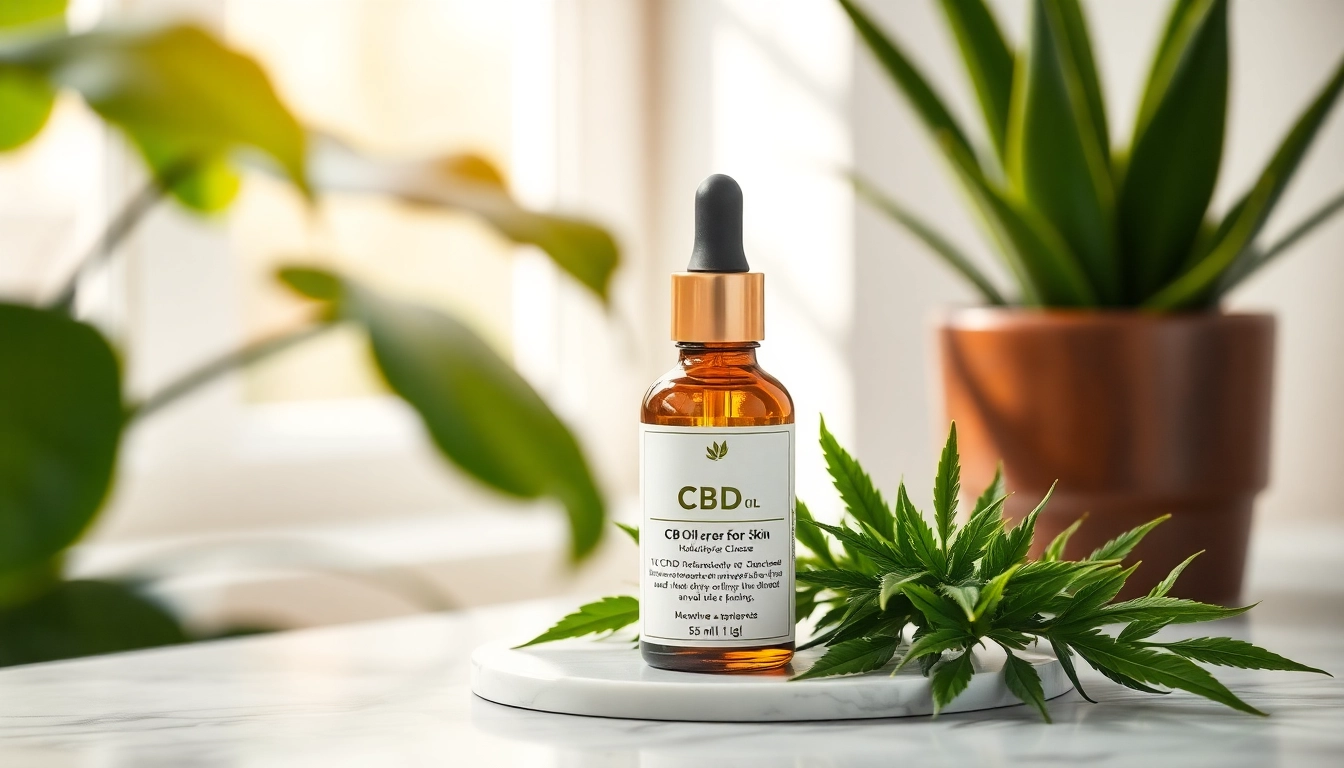
Introduction to CBD Oil for Skin
The skincare industry has welcomed a myriad of ingredients in recent years, but few have sparked as much interest as CBD oil. Derived from the hemp plant, CBD oil is recognized not just for its potential health benefits but also for its applicability in skin care. As consumers become increasingly aware of the ingredients in their beauty products, CBD oil for skin is emerging as a go-to solution for various skin concerns. This comprehensive article delves into the essence of CBD oil, its benefits for skin health, and practical guidance on its application.
What is CBD Oil?
Cannabidiol (CBD) is a non-psychoactive compound found in cannabis and hemp plants. Unlike tetrahydrocannabinol (THC), which produces a "high," CBD offers therapeutic properties without altering mental state. CBD oil is extracted from the hemp plant's flowers, leaves, and stalks, and is combined with a carrier oil to enhance absorption and effectiveness. The legal status of CBD varies by region due to the plant's association with marijuana, but many jurisdictions permit CBD derived from hemp, which contains less than 0.3% THC.
The Rise of CBD in Skincare
As an ingredient, CBD has gained traction in various skincare products, including creams, lotions, and serums. Its rise can be attributed to an increasing demand for natural and holistic treatments. Consumers are now prioritizing clean beauty and efficacy, often influenced by peer recommendations and social media platforms. Scientific research into the benefits of CBD for skin health has reinforced its popularity, leading to greater incorporation in products aimed at addressing issues like acne, dryness, and signs of aging.
How CBD Oil for Skin Works
The effectiveness of CBD oil in skincare can be attributed to its interaction with the endocannabinoid system (ECS) present in our bodies. This system plays a crucial role in regulating various physiological functions, including skin health. When applied topically, CBD oil interacts with cannabinoid receptors in the skin, leading to various beneficial effects such as reduced inflammation, balanced oil production, and improved hydration.
Benefits of CBD Oil for Skin
CBD oil offers a multitude of benefits that can enhance skin health, making it a valuable addition to any skincare regimen.
Hydration and Moisture Retention
One of the most notable benefits of using CBD oil for skin is its hydrating properties. CBD oil is rich in fatty acids, which help strengthen the skin barrier. This tightening of the barrier improves moisture retention, keeping the skin hydrated. Dry skin can lead to a range of issues, including flakiness, irritation, and premature aging. Using CBD oil-infused products can offer hydration without clogging pores, a common concern with many skincare oils.
Anti-Inflammatory Properties
CBD is recognized for its anti-inflammatory effects, making it particularly beneficial for individuals with skin conditions like eczema, dermatitis, or psoriasis. By helping to decrease inflammation, CBD may alleviate symptoms associated with these conditions, such as redness, swelling, and discomfort. Studies indicate that topical application of CBD can significantly reduce skin irritation while promoting overall skin health.
Acne Treatment with CBD Oil for Skin
CBD oil's potential as an acne treatment is one of the most researched aspects of its use in skincare. Research has demonstrated that CBD oil can influence sebum production, possibly reducing the occurrence of acne. Because bacteria thrive in oily environments, the anti-inflammatory properties of CBD work to reduce the swelling often associated with acne outbreaks. Regular use may lead to fewer breakouts and an overall clearer complexion.
How to Choose the Right CBD Oil for Skin
Selecting the right CBD oil could significantly impact the effectiveness of your skincare routine. Several factors should be considered before making a purchase.
Understanding Product Labels
When browsing CBD skincare products, it is essential to understand the labels. Key components to look for include: - CBD Concentration: Products will vary in CBD content, often measured in milligrams. Higher concentrations may be more effective for severe skin issues. - Extraction Method: The method of extraction can impact the final product's quality. CO2 extraction is often considered the gold standard, as it preserves purity and potency. - Ingredients List: A quality product should have a minimal list of ingredients, primarily with natural sources. Avoid products with synthetic additives, fragrances, and preservatives.
Identifying Quality Ingredients
Beyond CBD, check for complementary ingredients that enhance skin health. Look for: - Natural Oils: Argan oil, Jojoba oil, and Coconut oil can provide additional hydration and nourishment. - Antioxidants: Ingredients like Vitamin E and C work alongside CBD to combat oxidative stress, further promoting skin health. - Botanicals: Herbal extracts can provide additional soothing effects and promote overall health.
Full-Spectrum vs. Broad-Spectrum Options
When choosing CBD oil, you'll encounter terms like "full-spectrum" and "broad-spectrum." - Full-Spectrum: Contains all cannabinoids found in the cannabis plant, including trace amounts of THC (less than 0.3%). Many argue that full-spectrum products provide the "entourage effect," where all cannabinoids work synergistically for greater efficacy. - Broad-Spectrum: Similar to full-spectrum but without THC. This option is suitable for individuals concerned about THC levels while still wanting the benefits of various cannabinoids.
Applications and Usage of CBD Oil for Skin
Understanding how to properly apply CBD oil is crucial to maximizing its benefits.
Best Practices for Application
For optimum results, follow these practices: - Patch Test: Always perform a patch test before applying new products to ensure no allergies or reactions occur. - Cleanse Skin Thoroughly: Ensure your skin is clean and free from impurities to allow better absorption of CBD oil. - Gentle Application: Use your fingertips to apply CBD oil gently, using upward strokes to promote circulation.
Integrating CBD Oil into Your Routine
Incorporating CBD oil into your routine can be seamless: - Serum: Use CBD oil as a serum before applying moisturizer, enhancing hydration and treatment. - Mixing: Consider mixing a few drops of CBD oil with your regular moisturizer or sunscreen for added benefits. - Spot Treatment: For localized issues such as acne or inflammation, apply CBD oil directly to the affected area for targeted relief.
Combining CBD with Other Skincare Ingredients
CBD oil pairs well with many other skincare ingredients: - Hyaluronic Acid: This ingredient attracts moisture, working well with the hydrating properties of CBD. - Niacinamide: Known for regulating oil production and improving the skin barrier, it complements CBD's balancing effects. - Salicylic Acid: When combined with CBD, it can help regulate acne and reduce inflammation effectively.
Safety and Side Effects of CBD Oil for Skin
While CBD oil is generally considered safe, understanding its potential side effects and precautions is vital.
Potential Allergic Reactions
Some individuals may experience allergic reactions to CBD oil or other ingredients in associated products. Common symptoms include rashes, redness, and increased irritation. Consulting a healthcare professional before incorporating CBD oil into your routine is wise, especially for those with sensitive skin.
Understanding Dosage Guidelines
While topical applications typically have fewer risks, it’s essential to follow recommended dosages to avoid potential side effects. Start with low concentrations until you determine how your skin reacts, then gradually increase as needed.
Consulting with a Dermatologist
Particularly for individuals with pre-existing skin conditions, consulting with a dermatologist before using CBD oil can provide personalized guidance. A dermatologist can help determine the best approach, suggest suitable products, and monitor any adverse reactions.
Conclusion
As interest in natural and holistic skincare continues to flourish, CBD oil stands out as a remarkable option for those seeking relief from various skin concerns. Whether addressing dryness, acne, or inflammation, the potential benefits of CBD oil for skin are vast. By understanding how to select the right product, implement it into your regimen effectively, and remain informed about safety practices, you can harness the full potential of this innovative ingredient. With ongoing research and development in the field of CBD skincare, the future looks bright for those embarking on this transformative journey toward healthy skin.