
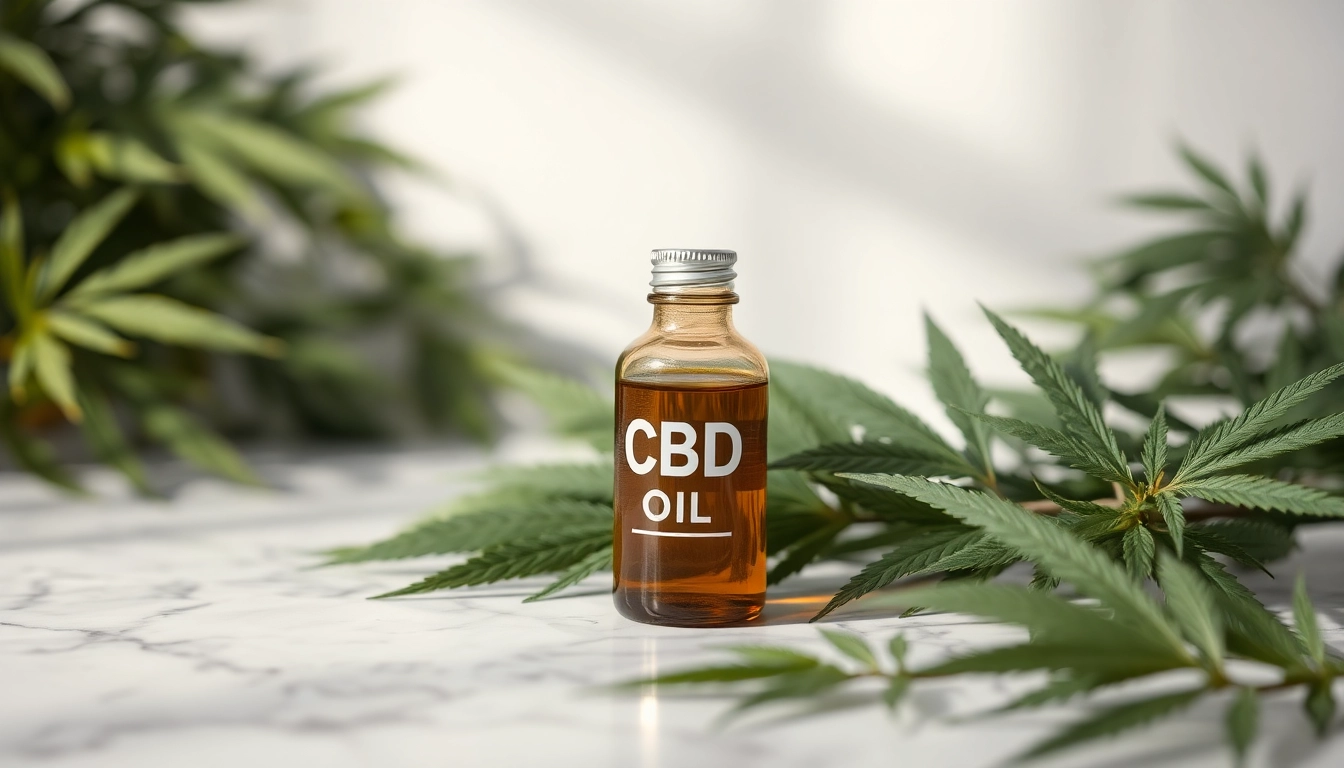
What is CBD Oil and How is it Made?
Cannabidiol, commonly known as CBD Oil, is a natural compound derived from the cannabis plant. Unlike its more famous sibling, tetrahydrocannabinol (THC), which is known for its psychoactive properties, CBD does not induce any "high." This unique characteristic has made CBD Oil a prominent subject in wellness circles, as it is increasingly recognized for its potential therapeutic benefits. The process of turning raw cannabis into CBD Oil involves various methods, each yielding different types of products tailored to consumer needs.
Understanding the Extraction Process
The extraction process is crucial in determining the quality and effectiveness of CBD Oil. Common extraction methods include:
- CO2 Extraction: This method uses carbon dioxide to extract CBD from the cannabis plant. By manipulating temperature and pressure, operators can result in a high-quality product that retains beneficial cannabinoids and terpenes.
- Solvent Extraction: Utilizing alcohol or other solvents, this process extracts CBD oil efficiently. However, it requires careful purification to eliminate residual solvents.
- Olive Oil Extraction: A more traditional method, this process involves heating cannabis in olive oil. While it's effective, the resulting oil has a shorter shelf life compared to CO2 extracted oils.
After extraction, the oil is usually filtered to remove impurities, ensuring a cleaner product ready for consumption.
Types of CBD Oil Available
CBD Oil comes in several formulations, each catering to different needs:
- Full-Spectrum CBD Oil: Contains all cannabinoids, terpenes, and flavonoids found in the cannabis plant, creating an "entourage effect" that may enhance therapeutic benefits.
- Broad-Spectrum CBD Oil: Similar to full-spectrum oil but without THC. It still provides a range of cannabinoids and terpenes, appealing to those wanting to avoid THC.
- CBD Isolate: This is the purest form of CBD, containing no other cannabinoids or terpenes. Ideal for those seeking the benefits of CBD without any additional compounds.
Legal Status and Regulations of CBD Oil
The legal landscape surrounding CBD Oil is complex and varies significantly across different regions. In the United States, the 2018 Farm Bill legalized hemp-derived CBD products, provided they contain less than 0.3% THC. However, regulations can differ from state to state. Understanding local laws about CBD is crucial for consumers and businesses alike to ensure compliance.
Potential Health Benefits of CBD Oil
The burgeoning interest in CBD Oil stems from its wide array of potential health benefits. While research is still in its early stages, many anecdotal reports and preliminary studies suggest that CBD may offer relief for various conditions.
Relief from Chronic Pain and Inflammation
A significant advantage attributed to CBD is its analgesic properties. Studies have shown CBD may interact with receptors in the brain and immune system, helping to reduce pain and inflammation. Users often report decreases in chronic pain, arthritis symptoms, and other inflammatory conditions after incorporating CBD Oil into their routines.
Anxiety Reduction and Stress Relief
Ongoing research suggests that CBD may play a beneficial role in alleviating anxiety and promoting relaxation. The compound is believed to influence serotonin levels in the brain, which is often linked to mood regulation. Individuals struggling with anxiety disorders or high-stress levels have reported enhanced well-being and reduced anxiety responses when using CBD Oil.
Impact on Sleep Disorders
CBD Oil is gaining attention as a potential remedy for sleep-related issues. Anecdotal evidence suggests that it may help individuals fall asleep faster, stay asleep longer, and improve overall sleep quality. By calming the mind and reducing anxiety, CBD Oil is a natural alternative for those seeking relief from insomnia and other sleep disorders.
How to Choose the Right CBD Oil for You
Selecting the appropriate CBD Oil can be overwhelming due to the variety of products available. However, understanding a few key factors can simplify the process.
Understanding Dosage and Potency
Dosing CBD Oil can be nuanced, as individuals respond differently to CBD. Beginners might consider starting with a lower potency and gradually increasing their dosage based on their experiences. Experts often recommend maintaining a daily journal to track effects and adjust dosing effectively. It's essential to consult with a healthcare provider for personalized dosage guidelines.
Reading Product Labels Effectively
Understanding product labels is vital for making informed choices. Look for key information such as the total CBD content, serving size, product type, and ingredient list. Transparent brands will also provide third-party lab testing results, which verify product potency and safety.
Assessing Quality and Third-Party Testing
Quality is paramount when selecting CBD Oil. Opt for products that undergo third-party testing, which verifies their contents and purity. Consumer feedback and reviews can also provide insights into product effectiveness and the brand’s reliability.
Common Misconceptions About CBD Oil
Is CBD Oil Psychoactive?
A common misconception is that all cannabis products are psychoactive. However, CBD Oil derived from hemp does not produce any intoxicating effects, as it contains minimal THC. This makes it suitable for users looking for therapeutic benefits without impairment.
Dispelling Myths Around CBD Oil and Drug Testing
Many individuals worry that using CBD Oil could result in a positive drug test due to potential THC content. While pure CBD isolate contains no THC and is unlikely to show up on drug tests, full-spectrum products may contain trace amounts. Users who are subject to drug testing should exercise caution and consider their chosen product carefully.
Clarifying the Difference Between CBD and THC
Understanding the differences between CBD and THC is crucial for consumers. While both are cannabinoids found in the cannabis plant, CBD is non-intoxicating and is often praised for its therapeutic benefits. In contrast, THC is the psychoactive component responsible for the "high" associated with marijuana use.
Incorporating CBD Oil into Your Daily Routine
Once you’ve decided to use CBD Oil, incorporating it into your daily regimen can enhance your wellness journey.
Methods of Consumption
CBD Oil can be consumed in various ways, including:
- Tinctures: Often taken sublingually (under the tongue) for rapid absorption.
- Capsules: Convenient for those who prefer a measured dose without the taste of oil.
- Topicals: Suitable for localized relief of pain or inflammation through creams and balms.
Combining CBD Oil with Other Wellness Practices
For those looking to enhance their well-being further, CBD Oil can be paired with other wellness practices such as mindfulness, yoga, and journaling. Combining CBD with relaxation techniques like meditation may promote a deeper state of calm and enhance its stress-relieving benefits.
Monitoring Effects and Adjusting Use
Once CBD Oil is incorporated into your routine, recording its effects can help optimize its use. Users are encouraged to pay attention to their body’s responses, which informs dosage adjustments and timing for consumption. Consulting healthcare professionals is advisable, especially for those with existing medical conditions or who are using other medications.
Incorporating CBD Oil into your wellness routine may offer a natural way to enhance your health and well-being. As research continues to evolve, staying informed and making educated choices is key to maximizing the benefits of this compound.