

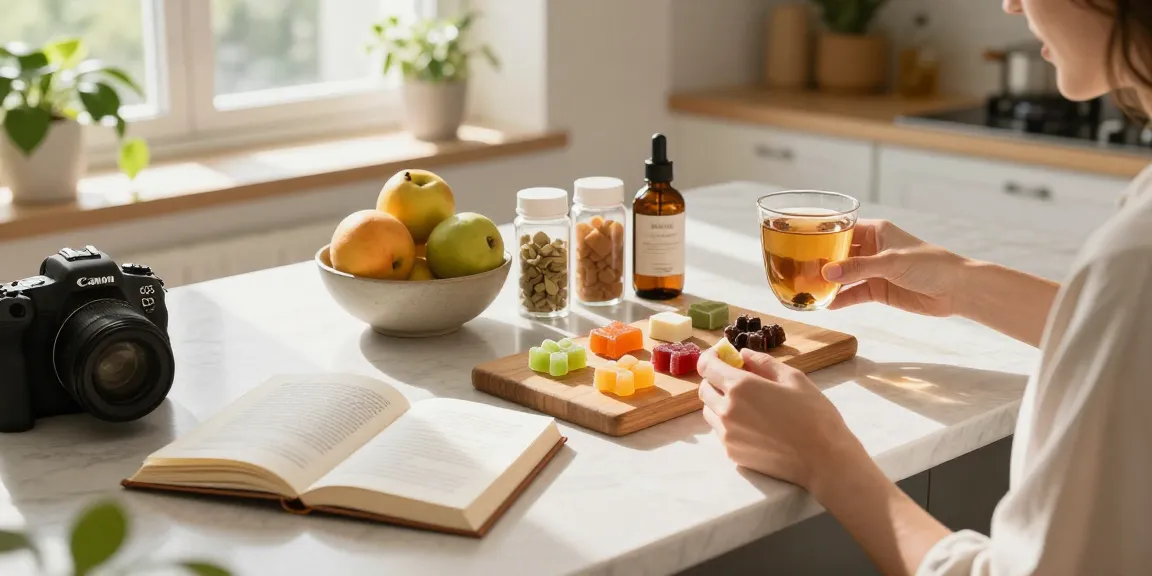
Understanding Cannabis Edibles and Their Benefits
In the wellness industry, cannabis edibles have emerged as a popular alternative for individuals seeking therapeutic benefits from cannabinoids, particularly THC and CBD. These products, which come in various forms like gummies, chocolates, and beverages, offer a discreet and enjoyable way to consume cannabis. Unlike inhalation methods like vaping, edibles are digested and metabolized differently, providing a unique experience that many users find preferable. Understanding cannabis edibles, their benefits, and how they interact with the body can significantly enhance your wellness journey.
What Are Cannabis Edibles?
Cannabis edibles are food products infused with cannabinoids, primarily THC and CBD. They come in many forms, from sweet treats like gummies and brownies to savory options like infused oils and snacks. When consumed, these products must be metabolized by the digestive system, which can lead to a slower onset of effects compared to other consumption methods, such as smoking or vaping. THC in edibles is converted into 11-hydroxy-THC in the liver, a metabolite known for its stronger psychoactive effects. This fundamental difference in processing sets the stage for a very distinct experience.
Health Benefits of Cannabis Edibles
The therapeutic applications of cannabis edibles are backed by scientific research. Many users report benefits such as:
- Anxiety and Stress Relief: Cannabinoids can promote relaxation and help ease anxiety. Studies have indicated that low doses of THC can have anxiolytic properties.
- Improved Sleep Quality: Consuming THC before bedtime may aid in falling asleep faster and improving overall sleep quality.
- Pain and Inflammation Reduction: Cannabis edibles may help manage chronic pain and inflammation, providing relief without the need for traditional pain medication.
- Focus and Mental Clarity: Some users note increased focus on tasks, particularly with specific ratios of cannabinoids.
- Post-Workout Recovery: The anti-inflammatory properties of cannabinoids can aid muscle recovery after exercise.
How Edibles Differ from Other Consumption Methods
Before diving into the various types of cannabis edibles, it is essential to understand how they differ from other consumption methods. Unlike vape products, which deliver cannabinoids rapidly into the bloodstream through the lungs, edibles require time for the body to digest and process them. This process typically results in effects starting anywhere from 45-90 minutes after consumption, with effects lasting up to 4-8 hours. Thus, the number one rule for beginners is to “start low and go slow.”
Types of Cannabis Edibles Available
Popular Edible Formats: Gummies, Chocolates, and More
The variety of cannabis edibles on the market is vast, offering something for everyone. Some of the most popular formats include:
- Gummies: These are often favored for their taste and convenience. Each gummy typically contains a specific dose of THC or CBD and can be easily divided for precision.
- Chocolates: Infused chocolates provide a rich, indulgent way to enjoy cannabinoids and are popular among gourmet consumers.
- Beverages: Cannabis-infused drinks are an innovative way to consume cannabis, offering hydration alongside therapeutic benefits.
- Capsules: For those who prefer a traditional supplement format, capsules provide a familiar method of consumption, with precise dosing.
Infused Foods vs. Traditional Snacks
Infused foods are those that have been explicitly made with cannabis products, while traditional snacks may simply have cannabis added to them. The effects of infused foods can be more potent and longer-lasting than those of traditional snacks. It’s important to be aware of the composition and concentration of cannabinoids in any edible you consume.
Homemade Edibles: Recipes and Tips
For those who enjoy cooking, making homemade cannabis edibles can be a rewarding experience. You can control the dosage, quality, and ingredients. Common base ingredients include butter or oil infused with cannabis, which can then be used in recipes for brownies, cookies, or savory dishes. However, caution is advised to ensure accurate dosing and prevent accidental overconsumption.
Proper Dosage and Usage Guidelines for Edibles
How to Calculate Dosage for Beginners?
When beginning your journey with cannabis edibles, dosage is a crucial factor. The general recommendation for beginners is to start with a low dose, particularly between 5-10 mg of THC. It is advisable to wait at least two hours before considering another dose to avoid overwhelming effects.
Starting Low and Going Slow: Best Practices
As mentioned, the “start low and go slow” principle is vital when using cannabis edibles. With each individual’s metabolism varying significantly, the effects can differ widely. Tracking your experience and adjusting the dose incrementally can help you find your optimal amount safely.
Understanding Titration and Its Importance
Titration involves gradually adjusting your dosage to achieve your desired effects without overwhelming side effects. Maintaining a journal to note how different doses affect you can be beneficial in finding this balance.
Quality Indicators and Safety of Cannabis Edibles
Importance of Third-Party Testing and COA
To ensure safety and efficacy, always look for cannabis edibles that have undergone third-party testing. Certificates of Analysis (COAs) confirm the concentration of cannabinoids and provide assurance that products are free from harmful contaminants.
Identifying Safe and Effective Products
Opt for products from reputable brands that adhere to good manufacturing practices (GMP). Transparency about sourcing, production methods, and lab results is essential in choosing effective and safe edibles.
Common Contaminants to Avoid
Many edible products may carry residues from pesticides, solvents, or heavy metals. Understanding how to read COAs can help consumers avoid these harmful contaminants, ensuring they are consuming a safe product.
Legal and Compliance Considerations for Cannabis Edibles
Current Legal Status of Cannabis Edibles in 2026
As of 2026, the legal status of cannabis edibles varies by state in the United States. The 2018 Farm Bill legalized hemp-derived products with less than 0.3% THC at the federal level, but individual states have different regulations regarding cannabis use and distribution.
Understanding THC vs. CBD Legalities
While CBD derived from hemp is widely legal, THC remains a controlled substance in many states. Consumers must remain informed about local laws to ensure compliance when purchasing or consuming cannabis edibles.
Guidelines for Responsible Usage
Responsible usage includes understanding local laws, starting with low doses, and being aware of the potential effects and interactions of cannabis. Always consult with a healthcare professional if you have questions about how cannabis edibles may affect you.
What Are the Side Effects of Cannabis Edibles?
Potential side effects of cannabis edibles can include drowsiness, dry mouth, and digestive changes. Being aware of these effects can help users make informed decisions regarding their consumption.
Can Cannabis Edibles Interact with Medications?
Before consuming cannabis edibles, it’s crucial to consult with a healthcare professional, especially if taking other medications. Interactions can occur, particularly with blood thinners and certain seizure medications.
How to Store Edibles for Maximum Shelf Life?
To maintain the integrity of cannabis edibles, store them in a cool, dry place away from direct sunlight. Properly seal products in their original packaging or an airtight container to maximize shelf life.